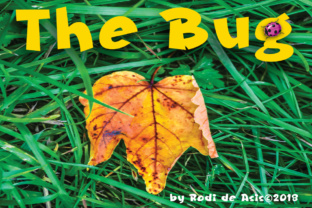
The Bug Font: A Bold Typeface for Business Branding
As a small business owner, you know that every detail matters when it comes to building your brand. From the logo on your storefront to the labels on your products and the text in your social media posts, the fonts you choose shape how customers perceive your business. That’s why selecting the right typeface is more than just an aesthetic choice—it's a strategic one.
The Bug is a blackletter font that brings a unique edge to your branding without sacrificing professionalism. Its clean and striking letterforms make it ideal for businesses looking to stand out while maintaining a sense of trust and reliability across all their materials.
What Makes The Bug Stand Out?
The Bug combines the elegance of traditional blackletter with modern readability. Blackletter fonts, also known as Gothic or old English styles, are often associated with history, sophistication, and strong visual impact. However, many older blackletter designs can be hard to read or feel too ornate for everyday use. The Bug solves this by offering a premium blackletter font that balances style with clarity.
Its letters have a consistent stroke weight and refined details, giving it a professional look that works well for both print and digital formats. Whether you're printing a label or designing a website banner, The Bug ensures your message is clear and visually compelling.
Real-World Applications for Small Businesses
Fonts might seem like a small part of your design process, but they play a big role in making your brand cohesive and recognizable. Here’s how The Bug can enhance various aspects of your business:
- Logo Design: Use The Bug for a bold, memorable headline in your logo. It adds character without overwhelming the rest of your brand elements.
- Business Cards: Incorporate it into your name or tagline to create a sense of identity and personality at first glance.
- Product Labels: Ideal for handcrafted items like candles, soaps, or artisanal food products where a touch of creativity can elevate the perceived value.
- Packaging Design: The Bug can add a classic yet contemporary feel to product boxes, jars, or bags—especially for niche markets like vintage-inspired goods or luxury handmade items.
- Menus & Flyers: Pair it with a simpler sans serif font to highlight key sections or headings, making your content easier to navigate while still standing out.
- Social Media Graphics: Use The Bug for headlines or Instagram post titles to catch attention quickly. It looks great even in thumbnails.
- Website Banners: Add a display font like The Bug to your hero section or promotional headers for a strong visual statement.
Creating a Memorable Brand Identity
Your brand identity is the face of your business. A consistent visual language builds familiarity and trust with your audience. Choosing a creative font like The Bug helps establish that identity from the start. For example, a boutique using The Bug in its logo could pair it with minimalist design elements to convey a blend of tradition and modernity.
If you run a café, The Bug could work beautifully for seasonal specials or holiday promotions. Imagine “Fall Favorites” written in The Bug above a warm, autumn-themed menu. It immediately grabs attention and reinforces your brand’s personality.
For online sellers, The Bug can bring a distinct flair to product titles or packaging. A beauty brand might use it for a line of vintage-style skincare products, helping them differentiate themselves in a crowded market.
When to Use The Bug in Your Designs
The Bug shines brightest when used strategically. Because of its expressive nature, it works best as a display font or accent typeface rather than body copy. Think of it as the “headline” of your design assets:
- Headlines: Use The Bug to make announcements, promotions, or blog titles pop.
- Logos: Perfect for short phrases or names that need to leave a lasting impression.
- Accents: Apply it selectively in brochures, flyers, or packaging to emphasize key words or phrases.
- Supporting Typefaces: When paired with a neutral, readable font, The Bug becomes a powerful supporting element in your design toolkit.
Readability Meets Style
One common concern with decorative fonts is whether they remain legible, especially in smaller sizes or on mobile screens. The Bug addresses this with thoughtful spacing and simplified forms compared to traditional blackletter styles. This means you can confidently use it in printed materials like thank-you cards or stickers, and even in digital formats such as email headers or Pinterest pins.
However, it’s always smart to test how it looks in context. Try placing it on a mock-up of your product label or a sample Instagram post. If the text isn’t easy to read at a glance, consider using it only for larger headers or pairing it with a more straightforward font for body copy.
Font Pairing Tips for Balance
To keep your design assets from feeling too busy or inconsistent, think about how The Bug pairs with other fonts. Since it’s a decorative blackletter, it needs a complementary font that grounds the overall look:
- With a Clean Sans Serif: Great for modern brands. The contrast between The Bug and a font like Montserrat or Lato creates a fresh, balanced layout.
- With a Readable Serif: Adds a timeless feel. Pairing it with Georgia or Garamond can give your brand a sophisticated, elegant vibe.
Remember, the goal is to maintain consistency while enhancing visual appeal. Once you’ve found a good pairing, apply it across all your materials—from your website to your physical store signage—to build a unified brand experience.
Practical Advice for Using The Bug
Before committing to The Bug for your entire brand, test it in real-world scenarios. Print a sample label with the font and see how it looks up close. Check it on your website or app across different screen sizes. Does it hold up? Is it still legible?
You can also create a few mock-ups using tools like Canva or Adobe Express to visualize how The Bug will fit into your existing branding. If it feels right for your logo, it may also be a good match for your packaging or marketing collateral.
Another tip is to limit its use to specific parts of your design. Overusing a bold typeface can dilute its impact. Use it sparingly to highlight what matters most—your name, slogan, or key messages.
Commercial Font Licensing for Business Owners
When using any font professionally, it’s important to check the licensing agreement. Some fonts are free for personal use but require a commercial license if you plan to use them in logos, packaging, or client work. Make sure you’re aware of the terms before incorporating The Bug into your business materials.
Many font foundries offer clear licensing options tailored to small businesses and entrepreneurs. Look for licenses that include web use, print use, and merchandise, depending on your needs. Investing in the right license ensures your brand remains compliant and avoids potential legal issues down the line.
Aligning with Your Audience
Your target customers should influence your font choices. If you cater to a younger demographic or want to project a modern, edgy vibe, The Bug offers a stylish alternative to generic sans serifs. For audiences who appreciate craftsmanship and heritage—like those drawn to artisanal products or indie bookstores—The Bug can evoke a sense of authenticity and timelessness.
Consider your industry and the emotions you want to inspire. A coaching business might use The Bug subtly in a tagline to suggest strength and determination. A bakery could feature it in a holiday banner for a festive yet polished look. The key is to ensure the font aligns with the mood and values you want to communicate.
Building Trust Through Typography
People form opinions about your brand within seconds—and typography plays a big role in that first impression. A disorganized mix of fonts can confuse customers and weaken your brand’s message. On the other hand, a well-chosen font like The Bug can help you appear more professional and trustworthy.
Using a single display font consistently across your brand materials—coupled with a solid secondary font for body text—creates a strong visual identity. Customers start to recognize your brand instantly, which increases recall and builds loyalty over time.
Conclusion
Choosing the right font is an essential step in creating a cohesive brand. The Bug gives you a versatile blackletter option that blends style with practicality. Whether you’re designing a new logo, updating your product labels, or crafting eye-catching social media graphics, this font can help you achieve a professional, memorable look that resonates with your audience.
Take the time to experiment with The Bug in different contexts and ensure it complements your overall brand strategy. With careful application and proper licensing, you’ll be able to leverage this expressive typeface to strengthen your brand identity and stand out in today’s competitive marketplace.